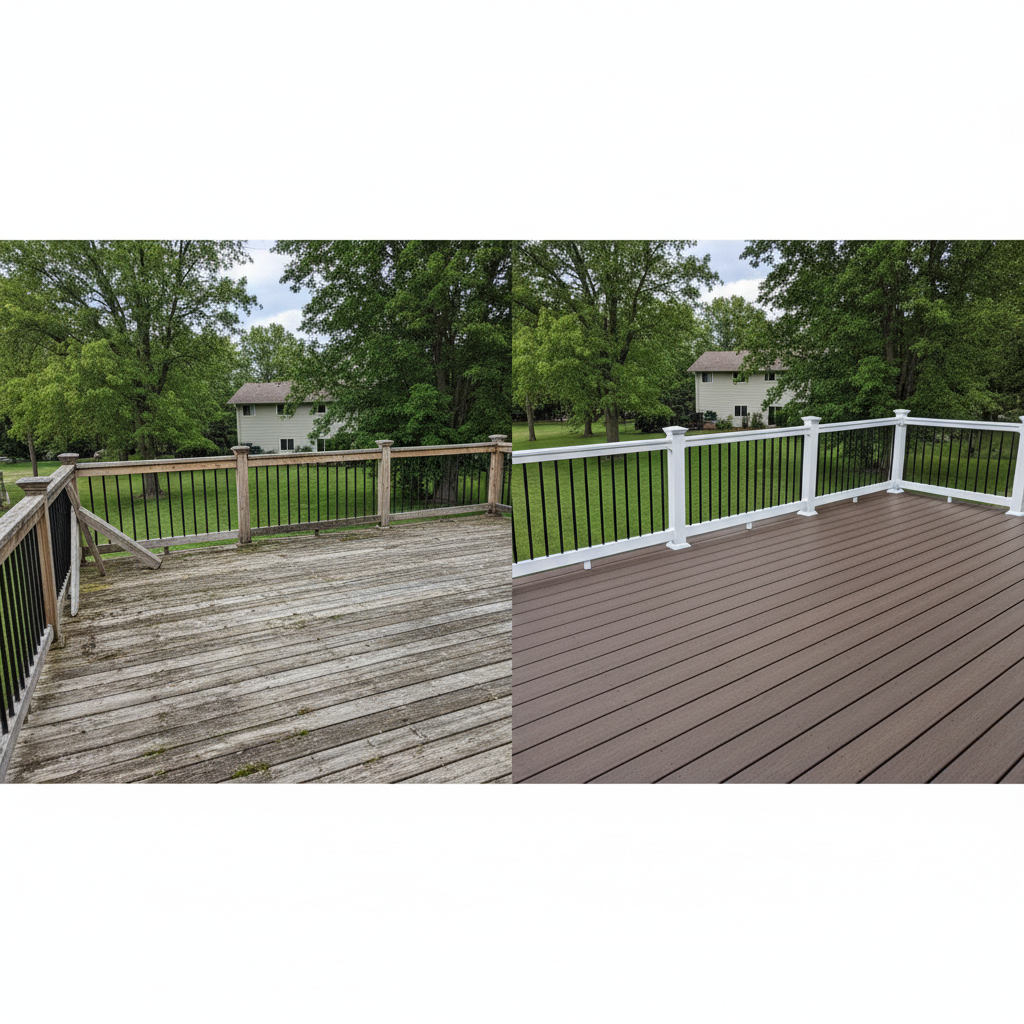
So, you're thinking about new deck railings, right? But which way should you go? It's not just about picking the right material; how those railings are actually put together makes a huge difference. Here in Burnsville, with our crazy temperature swings and heavy snow, that decision really, really matters. I'm talking about prefab railing systems versus custom, stick-built railings. Let's dig into it.
What's the Difference?
When I say 'prefab,' I mean railing sections that come pre-assembled from the factory. Think of them like big Lego blocks, ready to go. They're usually made of aluminum, composite, or sometimes vinyl. They arrive in standard lengths, and you cut them to fit between your posts. 'Stick-built,' on the other hand, is exactly what it sounds like: we build it piece by piece, right there on your deck. We cut individual balusters, rails, and posts, then assemble everything on-site. This is typically how most wood railings are done, but you can also do custom metal or composite this way too.
Cost: Upfront vs. Long-Term
On the surface, prefab systems often look cheaper per linear foot. The materials themselves might be a bit less, and installation can sometimes be quicker because you're just bolting sections together. Less labor usually means a lower initial price tag. However, don't forget about waste. If you have a lot of odd angles or short runs, you might end up buying more material than you need, simply because those prefab sections only come in fixed lengths.
Stick-built railings can have higher labor costs upfront. Why? Because it's more intricate work; each piece is cut and fitted individually. But you get exactly what you need, which minimizes material waste. Plus, if a single baluster or rail gets damaged down the road, it's usually easier and cheaper to replace just that one piece on a stick-built system than an entire prefab section. Something to consider, isn't it?
Durability & Maintenance: Built for Minnesota
This is where the rubber meets the road, especially in a place like Burnsville. Prefab systems, particularly those made from aluminum or high-quality composite, are often designed for low maintenance. They resist rot, rust, and pests. They're usually powder-coated or colored all the way through, so you don't have to paint or stain them. That's a big plus when you'd rather enjoy your summer than spend it scraping and painting.
Stick-built wood railings, while beautiful, demand more. They need regular staining or painting to protect them from our harsh winters and humid summers. Skip that, and you'll see rot, splintering, and warping pretty quickly. I've seen plenty of decks in the Crystal Lake area of Burnsville where folks didn't keep up with the maintenance, and those wooden railings just didn't stand a chance against the elements. You can get stick-built railings in composite or metal too, which brings their maintenance down to prefab levels, but then you're back to higher material costs. It's a trade-off.
Appearance & Customization: Your Deck, Your Style
Prefab systems offer a clean, uniform look. They come in specific styles and colors. If one of those styles matches what you're going for, great. They often have hidden fasteners, which looks really sharp. But your options are limited to what the manufacturer produces. You can't usually mix and match components from different brands, and custom designs are pretty much out of the question.
Stick-built railings are where you get true customization. Want a specific baluster pattern? No problem. Unique post caps? Easy. You can choose different wood species, combine wood with metal balusters, or create a completely unique design that perfectly matches your home's architecture. If you're after a truly unique look for your deck, or if your deck has unusual angles that standard prefab sections just won't fit, stick-built is the only way to go.
My Recommendation for Burnsville Homeowners
For most Burnsville homeowners, especially those looking for a balance of durability, low maintenance, and a clean, modern look, I lean towards high-quality prefab railing systems. Think aluminum or composite. They hold up incredibly well to our Minnesota weather, require minimal upkeep, and look great for years. You'll spend more upfront than basic wood, but you'll save big on maintenance headaches and costs down the line.
However, if you're building a truly custom deck, have a historic home, or want a very specific aesthetic that prefab just can't deliver, then stick-built is your answer. You'll need to be prepared for the ongoing maintenance if you choose wood, or a higher initial investment if you go with custom composite or metal. At Burnsville Custom Decks, we work with both, and we'll always talk through your specific needs and budget to figure out the best fit for your home.
Ultimately, the best choice depends on your priorities: initial budget, how much time you want to spend on maintenance, and the exact look you're trying to achieve. Just make sure whatever you pick is built to handle everything our great state throws at it.