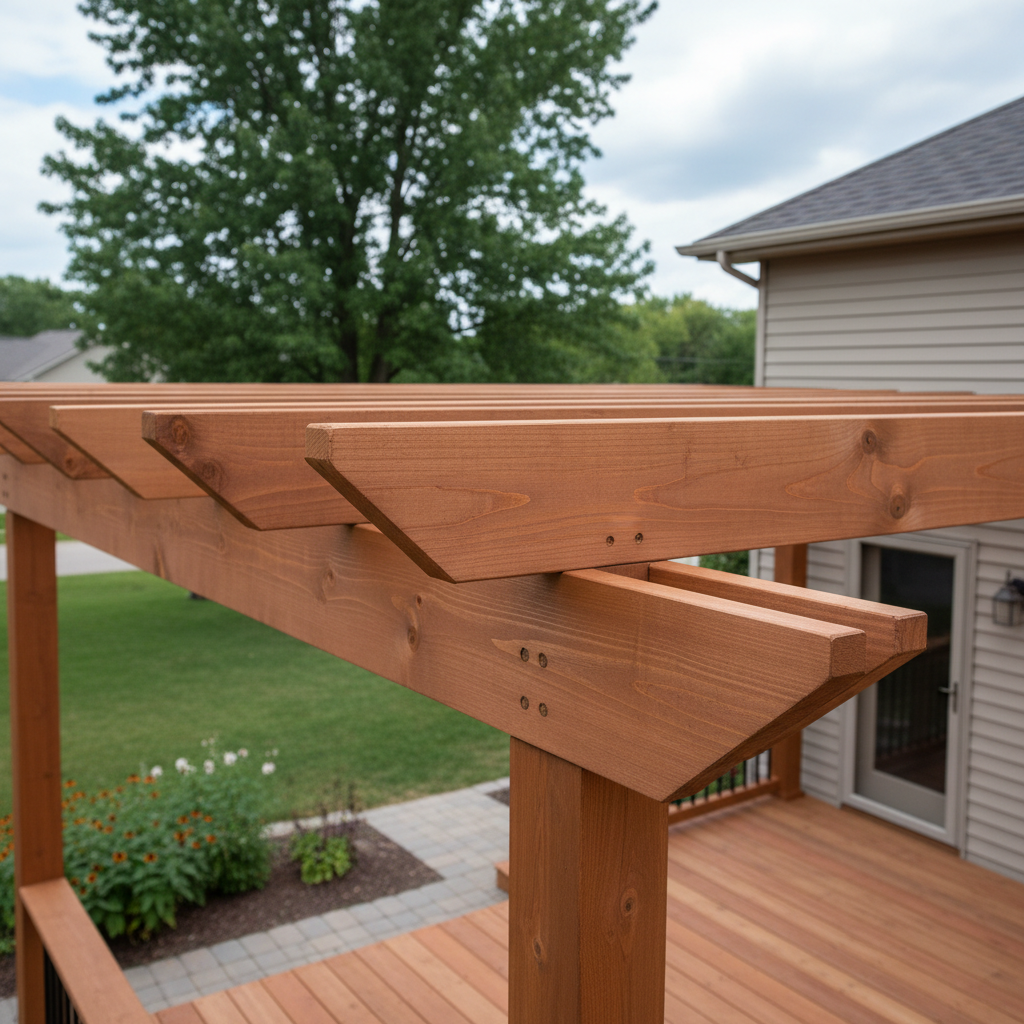
What's the real difference between a pergola and a gazebo?
This is probably the most common question I get asked, and it's a good one because people often use these words like they mean the same thing. But they really don't. A gazebo is a standalone structure, usually octagonal or round, with a solid roof. Think of it like a small, open-sided building. You can sit inside a gazebo and be completely safe from rain and direct sun. They often come with built-in seating and can feel pretty cozy, almost like a little room.
A pergola, on the other hand, typically has an open, slatted roof. Its main job is to give you some partial shade and mark out an outdoor area, not to totally block out the weather. You get that lovely dappled sunlight, which is perfect for growing climbing plants, and it just feels really airy. Pergolas can stand alone or attach right to your house or deck. So, if you're after full rain protection, a gazebo is probably what you're thinking of. But if you want a stylish outdoor spot that offers some shade and a place for vines to grow, a pergola is your best bet.
Do I need a permit to build a pergola in Burnsville?
You absolutely, 100% need to check with the City of Burnsville Planning Department before you even think about starting any construction. Generally, smaller, freestanding pergolas might not need a permit if they're under a certain size and aren't attached to anything. But if it's connected to your house or deck, or if it's bigger than a specific square footage or height, you'll almost certainly need one. The rules can also change based on your property lines and how far back things need to be. Seriously, don't skip this step; the last thing you want is to build something beautiful only to be told you have to tear it down or pay fines. I always tell my clients to make that call first. It saves a lot of headaches down the road, believe me.
What materials are best for a Burnsville pergola, considering our weather?
Our Minnesota weather is no joke, right? We get everything from heavy snow loads to scorching summer sun and big temperature swings. So, picking the right material is super important for how long your pergola will last. For wooden pergolas, I usually suggest cedar or pressure-treated pine. Cedar looks fantastic, it naturally resists rot and insects, and it holds up well—but it does need regular sealing or staining to keep its looks and protect it from our harsh winters. Pressure-treated pine is a more budget-friendly choice, and since it's treated to resist rot and insects, it's very durable. You'll still want to seal or stain it, though.
If you're looking for something low-maintenance, composite materials or vinyl are excellent. They won't rot, warp, or splinter, and you don't have to paint or stain them. They might cost a bit more upfront, but they save you tons of work over time. Aluminum pergolas are another great option for durability and minimal upkeep. They're strong, lightweight, and won't rust. When we build pergolas at Burnsville Custom Decks, we always talk through these options with you, weighing the good and bad for your specific needs and budget.
How much shade does a pergola actually provide?
This really depends entirely on how the roof is designed. A traditional pergola with rafters or slats that are spaced pretty far apart will give you dappled shade, not full sun blockage. It's great for softening the sun's intensity and making the space feel pleasant and airy. If you want more shade, you can add purlins (those smaller cross-members) closer together, or even put in a retractable canopy or shade sails over the top. Some folks even grow climbing vines like wisteria or grapevines over their pergolas, which offers beautiful natural shade once they're established. It's all about what you're trying to get out of the space. If you're looking for full, dense shade for an outdoor dining area, you'll need to plan for a denser roof structure or an added shade cover.
Can a pergola increase my home's value?
Yeah, it definitely can. A well-designed, well-built pergola really boosts your home's curb appeal and expands your usable outdoor living space. In Burnsville, where outdoor living is super popular in the warmer months, having a dedicated, attractive area for entertaining or relaxing can be a huge selling point. It tells potential buyers that the home has been cared for and offers desirable amenities. It's not just a structure; it's an extension of your home's living area. Just make sure it's built to last and matches your existing architecture, otherwise, it could actually detract from value.
What kind of maintenance does a pergola need?
Maintenance varies a lot by material, but even low-maintenance materials aren't no-maintenance. For wood pergolas, you'll want to clean them annually, usually with a mild detergent and a soft brush or pressure washer on a low setting, just to get rid of dirt, mildew, and pollen. Every 2-3 years, depending on the product and how much sun it gets, you'll need to re-stain or re-seal them to protect the wood from UV damage and moisture. This is especially important here in Burnsville with our freeze-thaw cycles. For composite, vinyl, or aluminum pergolas, a simple annual wash with soap and water is usually all it takes to keep them looking good. You should also periodically check all fasteners and connections, especially after a big storm or heavy snow, to make sure everything's still secure.
How long does it take to build a pergola?
The timeline can vary quite a bit based on the size, how complex the design is, and the materials we're using. A smaller, simpler pergola might only take my crew a few days to build, once we've got all the materials on site and the foundation is ready. A larger, more intricate design, especially one with custom features or integrated lighting, could take a week or even two. This doesn't include the time for design, getting permits, or waiting for materials to arrive. We always give our clients a clear timeline upfront so you know what to expect. We're pretty efficient, but we don't cut corners just to rush a job.