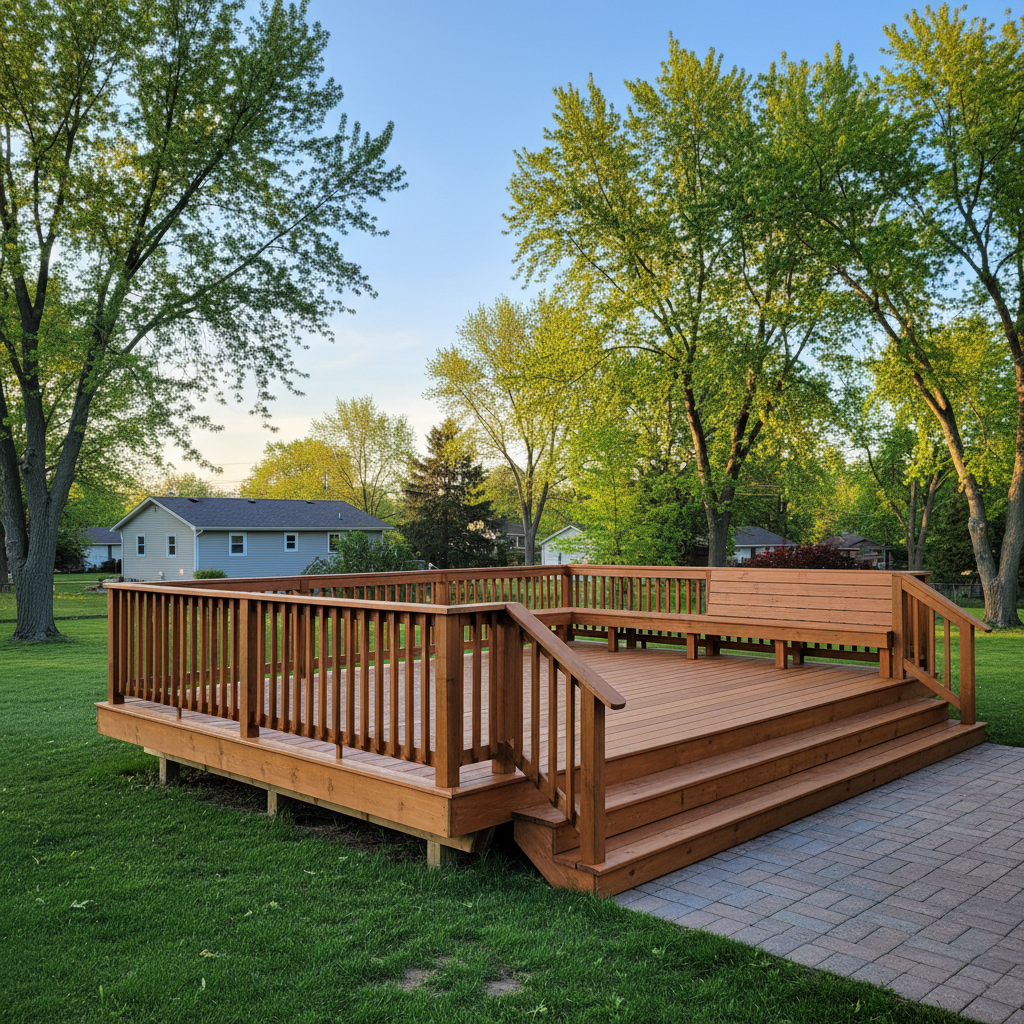
Alright, so you're thinking about adding a new deck or replacing an old one. That's a big investment, and you want it done right. As someone who's been building decks around Burnsville for years, I've seen the good, the bad, and the downright ugly when it comes to contractors. This isn't rocket science, but there are definitely some things you need to know to protect yourself and get a quality job.
What Questions Should You Ask?
When you've got a few potential builders in mind, don't be shy. You're interviewing them for a job. Here are the must-ask questions:
- Are you licensed and insured? This is non-negotiable. Ask for proof of both. A general contractor's license (like a BC or B license in Minnesota) is what you're looking for, and they absolutely need liability insurance and workers' compensation. If they can't show you current certificates, walk away.
- How long have you been in business? Experience matters. A company that's been around for a while, especially in our climate, knows the ropes.
- Can I see your portfolio and speak to past clients? Good builders are proud of their work. They should have photos and be able to give you a few references you can actually call.
- Who will actually be building my deck? Your employees or subcontractors? Some companies sub out everything. That's not always bad, but you need to know who's responsible and if they're properly vetted and insured too.
- What's your warranty? A solid warranty on both labor and materials shows confidence in their work.
- How do you handle permits and inspections? In Burnsville, you need permits for decks. A good contractor handles all the paperwork and schedules inspections. If they tell you, “Don’t worry about permits,” that's a massive red flag.
- What's your payment schedule? Never pay the full amount upfront. A reasonable down payment (often 10-30%) is normal, with progress payments tied to completed work stages.
What to Look For in a Quote
You'll get quotes that vary wildly. Don't just pick the cheapest one. Here's what a good quote should include:
- Detailed Scope of Work: It should clearly list everything: demolition, specific materials (type of wood, composite brand, railing system, fasteners), dimensions, footings, stairs, benches, lighting, and cleanup. No vague language.
- Material Specifications: Don't just say