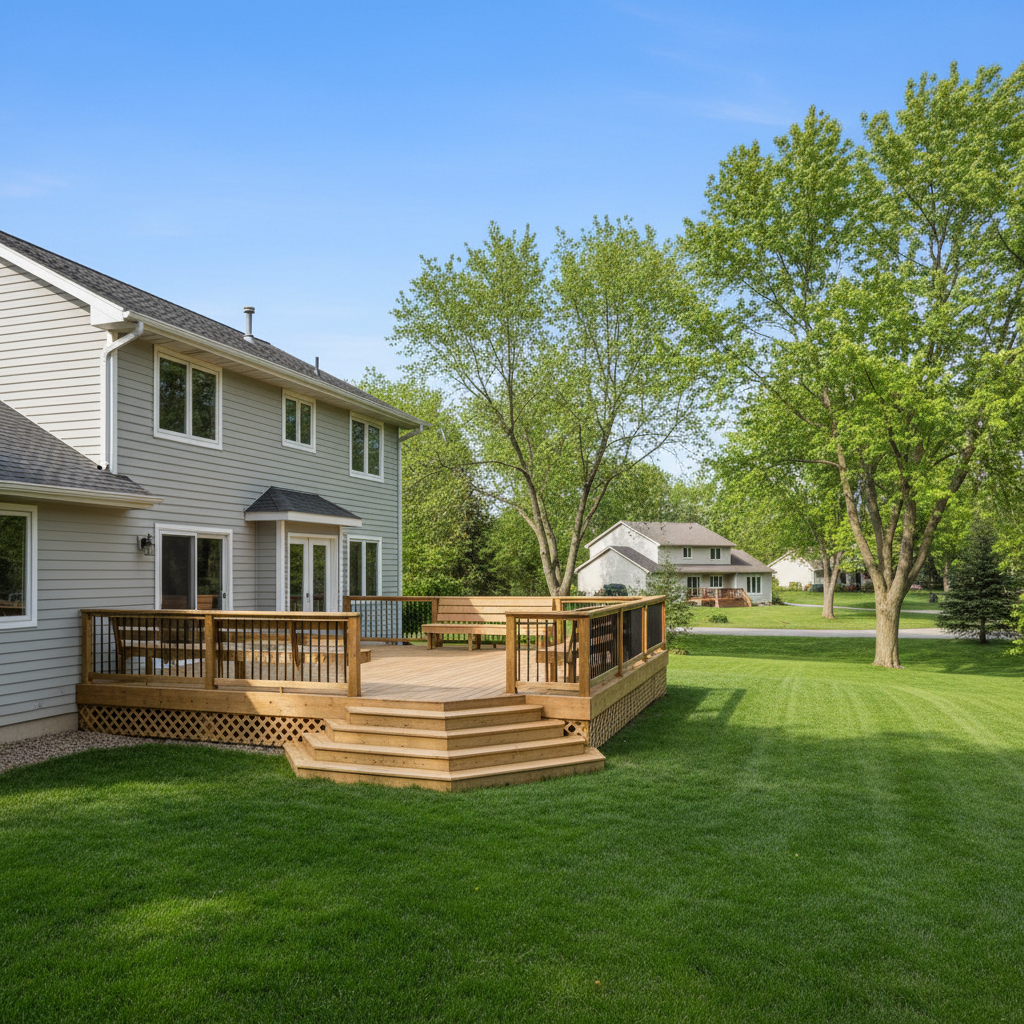
So, you're thinking about a new wooden deck. Great idea! A well-built deck can totally change how you use your backyard, especially here in Burnsville where we get to enjoy all four seasons. But let's be real, building a deck in Minnesota isn't like building one in, say, Arizona. Our climate throws a lot at outdoor structures, and wood decks take the brunt of it.
Why Wood Still Works for Burnsville Decks
Even with all the composite options out there, a lot of folks still love wood, and for good reason. It's got that classic look, it feels natural, and it can be really cost-effective upfront. Plus, if you're like me, there's just something about the smell of fresh-cut cedar or redwood. But choosing wood means you've got to pick the right kind and make sure it's installed properly to stand up to our crazy weather swings.
I've seen decks all over Burnsville, from the older homes in the Terrace Oaks neighborhood with their big, mature trees to the newer developments near Crystal Lake. The common thread? Every single one of those decks faces hot, humid summers, freezing winters, and that springtime thaw-and-freeze cycle that really puts stress on materials. That's why the type of wood you choose, and how it's treated, is paramount.
Choosing the Right Wood for Our Climate
You've got a few solid options for wood decks that can handle Minnesota:
Pressure-Treated Pine: This is probably the most common and budget-friendly choice. It's treated to resist rot, decay, and insect infestation, which is a big deal when you've got wet springs and plenty of bugs. It's durable, but you'll need to stain and seal it regularly to keep it looking good and performing its best.
Cedar: A lot of people love cedar for its natural beauty and resistance to rot and insects. It's naturally stable, so it's less likely to warp or crack than some other woods. It weathers to a nice silvery-gray if you let it, or you can stain it to maintain its original color. It's a step up in price from treated pine, but it holds up really well.
Redwood: Similar to cedar in its natural resistance and beauty, redwood is another premium choice. It's less common around here because it's usually shipped from the West Coast, making it more expensive. But if you're looking for that rich, deep color and top-tier natural durability, it's an option.
Each of these has its pros and cons, and what's best for your yard might depend on your budget, how much maintenance you're willing to do, and the look you're going for. We talk through all that with our clients at Burnsville Custom Decks before we even draw up a plan.
Why Local Expertise Matters for Deck Building
This isn't just about picking a pretty wood. It's about understanding the ground it's going on, the way our frost heaves can shift things, and the local building codes. For example, our soil here in Burnsville, especially in areas with a lot of clay, can expand and contract quite a bit with moisture changes. If your deck footings aren't dug deep enough – below the frost line – you're going to have problems down the road. I've seen too many decks that started to heave and shift after just a couple of winters because someone cut corners on the foundation.
Then there's proper ventilation. A deck built too low to the ground without enough airflow underneath is a recipe for moisture buildup, rot, and a shorter lifespan, no matter how good the wood is. We always make sure there's adequate clearance and proper drainage around the deck site.
When you're building a deck here, you need someone who's dealt with these specific challenges. Someone who knows what an average Burnsville winter does to wood and can build something that's not just beautiful on day one, but still standing strong ten or twenty years down the line. It's about building it right the first time, so you can spend your time enjoying your deck, not fixing it.