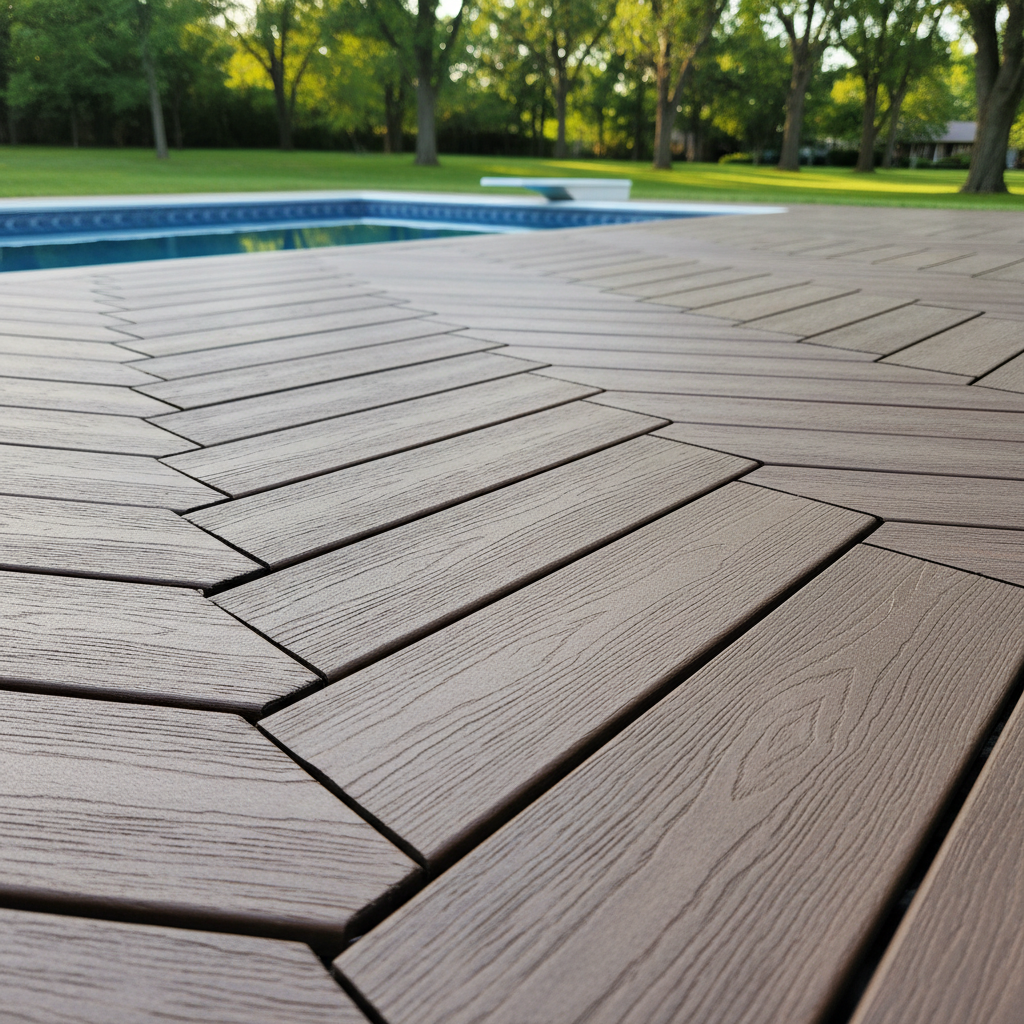
Thinking about a pool deck?
A pool deck isn't just a pretty border around your swimming hole; it's a functional space, a safety feature, and a big part of your backyard's overall look and feel. Here in Burnsville, with our hot summers and freeze-thaw cycles, getting it right is crucial. I've seen a lot of decks over the years, and I can tell you, planning is everything. Let's break down what you need to know before, during, and after your pool deck project.
Before You Start: Planning & Permits
First off, you can't just start digging. Any significant outdoor structure, especially one near a pool, is going to need permits from the City of Burnsville. This isn't just red tape; it's about making sure your deck is built safely and up to code. You'll need to know things like setback requirements from property lines and your pool, and what materials are approved. Don't skip this step – fines and having to tear down a new deck are headaches you don't need.
Next, think about your vision. What's the main purpose of this deck? Is it just for walking around the pool, or do you want space for lounging, an outdoor kitchen, or even a hot tub? This will dictate the size, shape, and materials. For materials, you've got options: wood (cedar, pressure-treated), composite, or even pavers or concrete. Each has its pros and cons. Wood is classic and warm but needs more maintenance. Composite is low-maintenance but can get hot underfoot. Pavers and concrete are durable but less forgiving if you want to change things later. For a pool deck, you'll want something slip-resistant, especially since it's always going to be wet.
When it comes to design, consider drainage. We get a lot of rain here, and you don't want water pooling on your deck or, worse, running into your pool or foundation. Proper grading and drainage solutions are non-negotiable. This is often where I see homeowners get into trouble trying to DIY too much.
During the Project: DIY or Hire a Pro?
This is where you need to be honest with yourself about your skills and time. Some parts of a pool deck project are definitely DIY-friendly, while others are best left to professionals like us at Burnsville Custom Decks.
- Demolition: If you're replacing an old deck, tearing out the old one can often be a DIY job. Just be careful, wear protective gear, and make sure you have a plan for waste disposal.
- Simple resurfacing: If your existing concrete deck is structurally sound but just looks bad, cleaning, patching, and applying a new non-slip coating might be something you can tackle.
- Basic paver patios: For a small, straightforward paver area not directly attached to the house or pool, a handy homeowner can often manage the excavation, base prep, and paver laying.
However, for anything involving structural integrity, complex designs, or direct integration with your pool, I strongly recommend calling a pro.
- Framing and structural work: Building a deck frame that can safely support weight, especially around a pool, requires precise measurements, proper fasteners, and knowledge of load-bearing principles. This isn't a place to guess.
- Footings and foundations: With our frost lines here in Minnesota, footings need to be dug deep enough to prevent heaving. Get this wrong, and your deck will shift and crack in a few years.
- Electrical and plumbing: If you're adding lighting, an outdoor kitchen, or connecting to your pool's systems, you absolutely need licensed professionals. Safety first, always.
- Complex layouts or multi-level decks: If your design involves curves, multiple levels, or integrating with existing structures, the precision and experience of a professional deck builder will save you headaches and ensure a beautiful, safe result.
A good contractor will also handle all the permitting and inspections, which takes a huge load off your mind. They've done this before, they know the local codes, and they'll make sure it's done right the first time.
After the Build: Maintenance & Enjoyment
Once your beautiful new pool deck is done, the work isn't entirely over, but the fun begins! Maintenance is key to making your investment last. For wood decks, that means regular cleaning, and re-sealing or staining every few years to protect against our harsh Minnesota weather. Composite decks are lower maintenance, usually just needing a good wash down. Pavers might need occasional re-sanding of joints and sealing.
Always check for loose boards, screws, or splinters, especially around a pool where bare feet are common. Keep an eye on your landscaping too; roots can sometimes impact foundations over time. If you notice any significant shifting, cracking, or deterioration, don't ignore it. A small repair now can prevent a major issue later.
Ultimately, a well-planned and well-built pool deck will transform your backyard into an oasis. Whether you tackle parts of it yourself or bring in the pros, focus on safety, durability, and enjoyment. You'll be glad you did when you're relaxing poolside on those perfect Burnsville summer days.