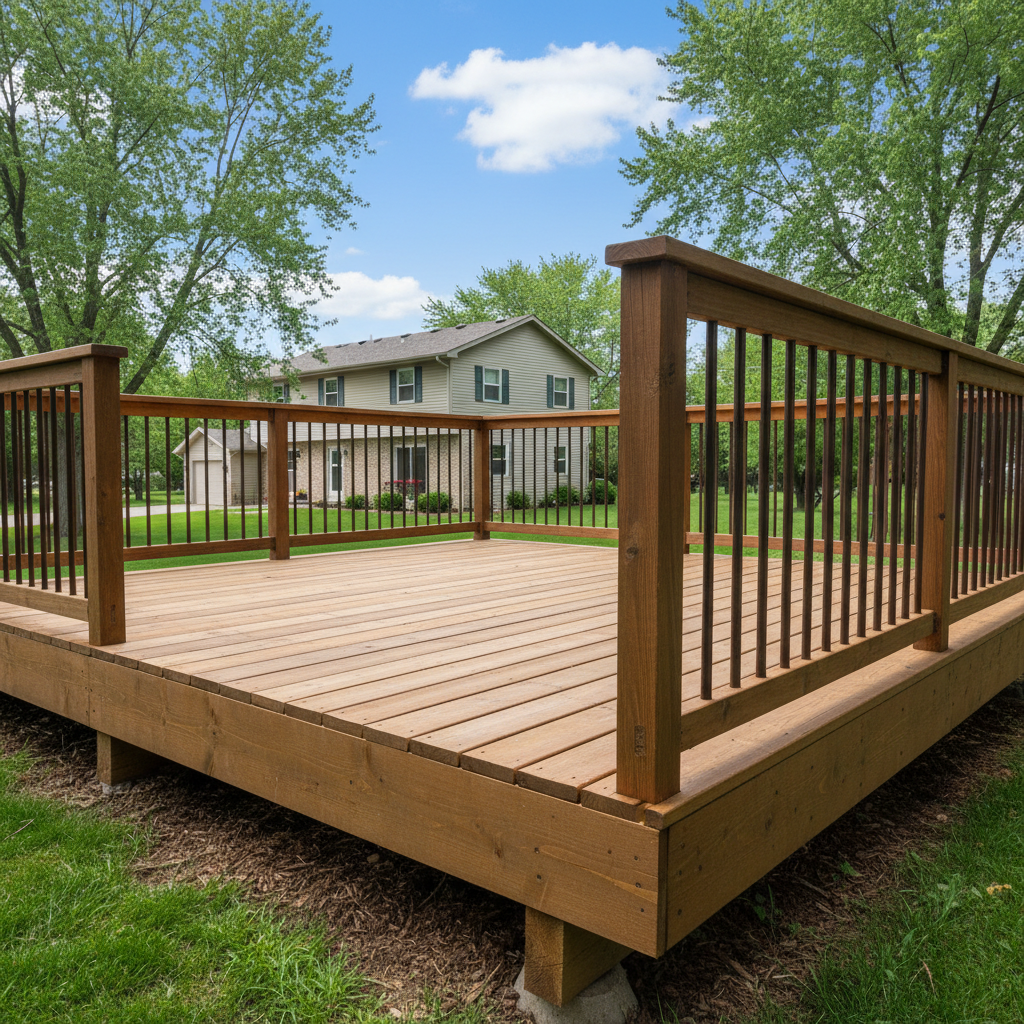
Look, your deck isn't just some planks of wood or composite tacked onto your house. It's an investment, plain and simple. This is where you fire up the grill, where your kids run around, where you finally kick back after a long day. And here in Burnsville, with our wild Minnesota weather, that investment really takes a beating. From those brutal winters to the sticky, humid summers, your deck is constantly under stress. So, how do you make sure it actually lasts? Well, it all boils down to smart maintenance and knowing when it's time to call in the pros.
Regular Upkeep: Your Deck's Best Friend
Think of your deck like your car, okay? You wouldn't skip oil changes, would you? It's the same deal for your deck. Regular maintenance isn't just about keeping it looking good; it's about stopping little problems from turning into massive, expensive headaches down the road. Here's what I usually tell folks:
- Clean it Every Year: At least once a year, typically in the spring after all that snow and grime finally melt away, give your deck a really good scrub. A basic deck cleaner and a stiff brush usually do the trick. For those stubborn spots, a pressure washer on a low setting can work, but be super careful not to damage the wood or composite. You'd be surprised how much better it looks once you get rid of all that mold, mildew, and dirt.
- Check for Loose Fasteners: Screws and nails can wiggle free over time, especially with all the expanding and contracting from our temperature swings. Take a walk around your deck and check every single board. If you spot a nail popping up, hammer it back down. If a screw is loose, just tighten it up. Sometimes, swapping out old fasteners for new, corrosion-resistant ones is a smart move.
- Look for Rot and Splits: This is a big one, especially for wood decks. Pay extra close attention to areas that tend to stay wet longer, like around railings, posts, and right where the deck meets the house. Poke around with a screwdriver. If the wood feels soft or spongy, that's a huge red flag for rot. Splitting can also let water in, leading to even more damage.
- Reapply Sealant or Stain: This stuff is basically your deck's armor against the elements. Depending on the product you used and how much sun your deck gets, you'll need to put on a fresh coat of quality sealant or stain every 2-5 years. This protects against UV rays, keeps moisture out, and helps stop rot and splintering. Seriously, don't skip this step!
Warning Signs: What to Keep an Eye Out For
Your deck will definitely tell you when it's in trouble; you just need to know how to listen. Here are some critical warning signs that mean you need to do something, and fast:
- Wobbly Railings or Posts: Grab a railing and give it a good shake. If it feels loose or wobbly, that's a serious safety concern, right? This could mean the fasteners are failing, or the posts themselves are rotting at the base.
- Soft or Spongy Boards: Like I said before, rot is a silent killer. If you step on a board and it feels soft, or you can easily push a screwdriver into it, that board is compromised. Don't ignore that.
- Cracks or Gaps in Support Beams: Get underneath your deck if you can do it safely. Take a good look at the joists, beams, and the ledger board (that's the one attached to your house). Big cracks, noticeable sagging, or visible gaps where everything should be tight are major structural issues.
- Corroded Fasteners: Rusty nails or screws aren't just ugly; they're losing their grip. If you see widespread corrosion, it's a sign that the whole structure might be at risk.
- Ledger Board Separation: The ledger board is what connects your deck to your house, holding it all together. If you see any gap forming between the ledger board and your home's siding or foundation, or if the bolts look like they're pulling out, that's an immediate call-to-action. This is actually one of the most common reasons decks collapse.
When to Call a Professional
Some things you can definitely DIY, but for others, you really need a professional. Here's when to pick up the phone:
- Structural Concerns: Any wobbly posts, sagging beams, ledger board problems, or widespread rot in critical areas? Don't mess around with those. These aren't just cosmetic fixes; they're about safety.
- Extensive Rot or Pest Damage: If rot or insect damage (like carpenter ants, which we see a lot of around here in neighborhoods like Crystal Lake) is widespread or affecting multiple structural parts, you'll need a professional to assess and repair it.
- Permit-Required Repairs: If the repair involves replacing major structural elements, say the ledger board, main support beams, or a big chunk of the deck framing, you might need a permit. A professional deck builder like Burnsville Custom Decks will know the local codes and handle all that for you.
- You're Just Not Sure: If you're looking at something and just don't feel confident about what you're seeing or how to fix it, call us. It's always better to get an expert opinion than to risk your family's safety or make a problem worse, wouldn't you agree?
Keeping your deck in good shape isn't just about curb appeal; it's about safety and protecting your investment. A little proactive maintenance goes a long way in battling the harsh Burnsville climate and making sure your outdoor space stays enjoyable for years to come.